The Beginning
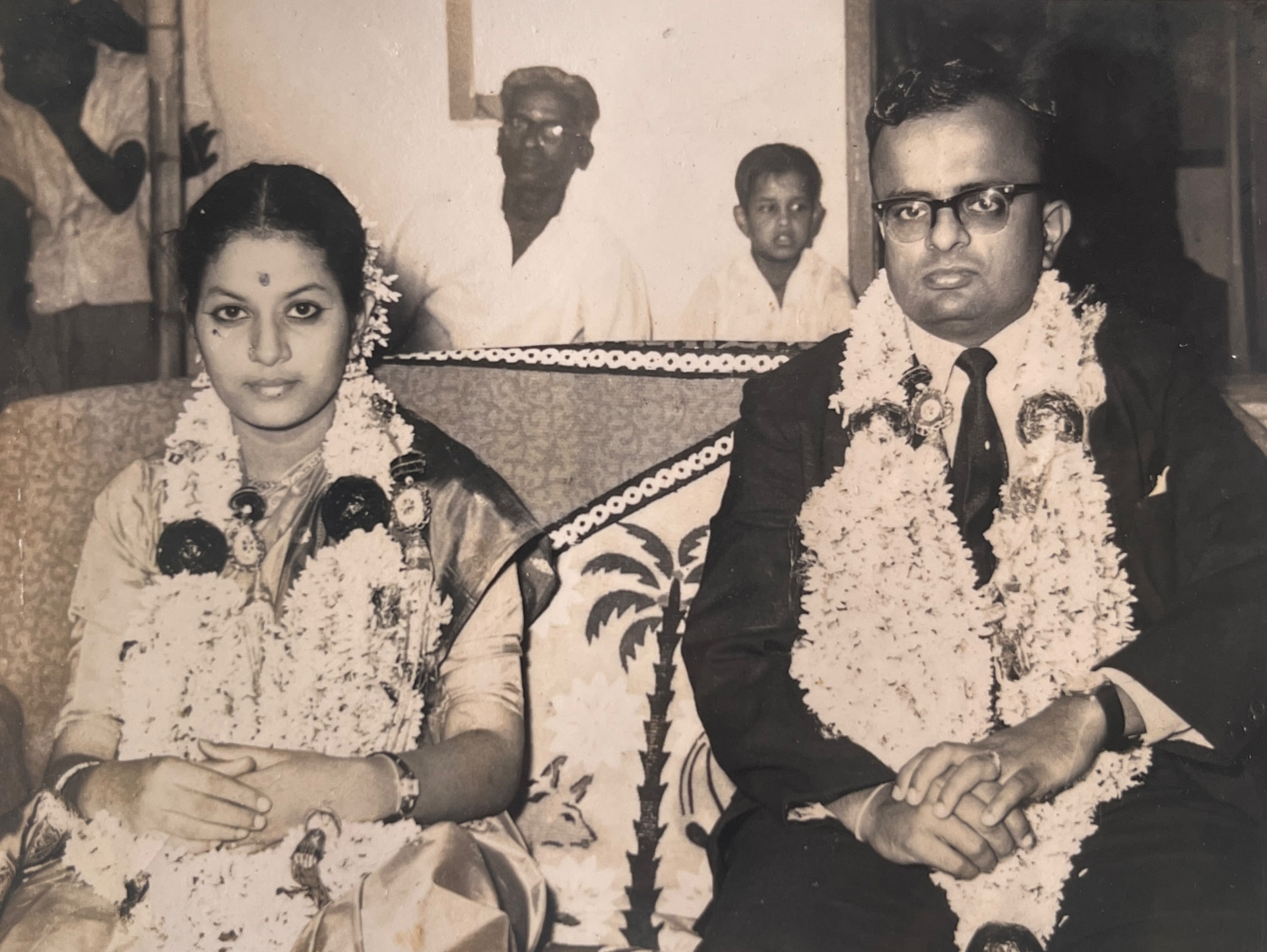
On Sunday, 28 June 1964, Amma and Appa got married in Katpadi.
I have their wedding invitation. It is one of those objects that becomes more interesting with time. A date, a place, two names, and the announcement of a life together.
Nothing in it tells you very much about the people they would become, the places they would live, or the family they would raise.
But it is a beginning.
And since this is a family history of sorts, it seems like a reasonable place to start.
Before They Were Amma and Appa
I love looking at old photographs of my parents.
Not because they reveal some great family secret, but because they remind me that Amma and Appa were once young people who had lives that didn't revolve around us.
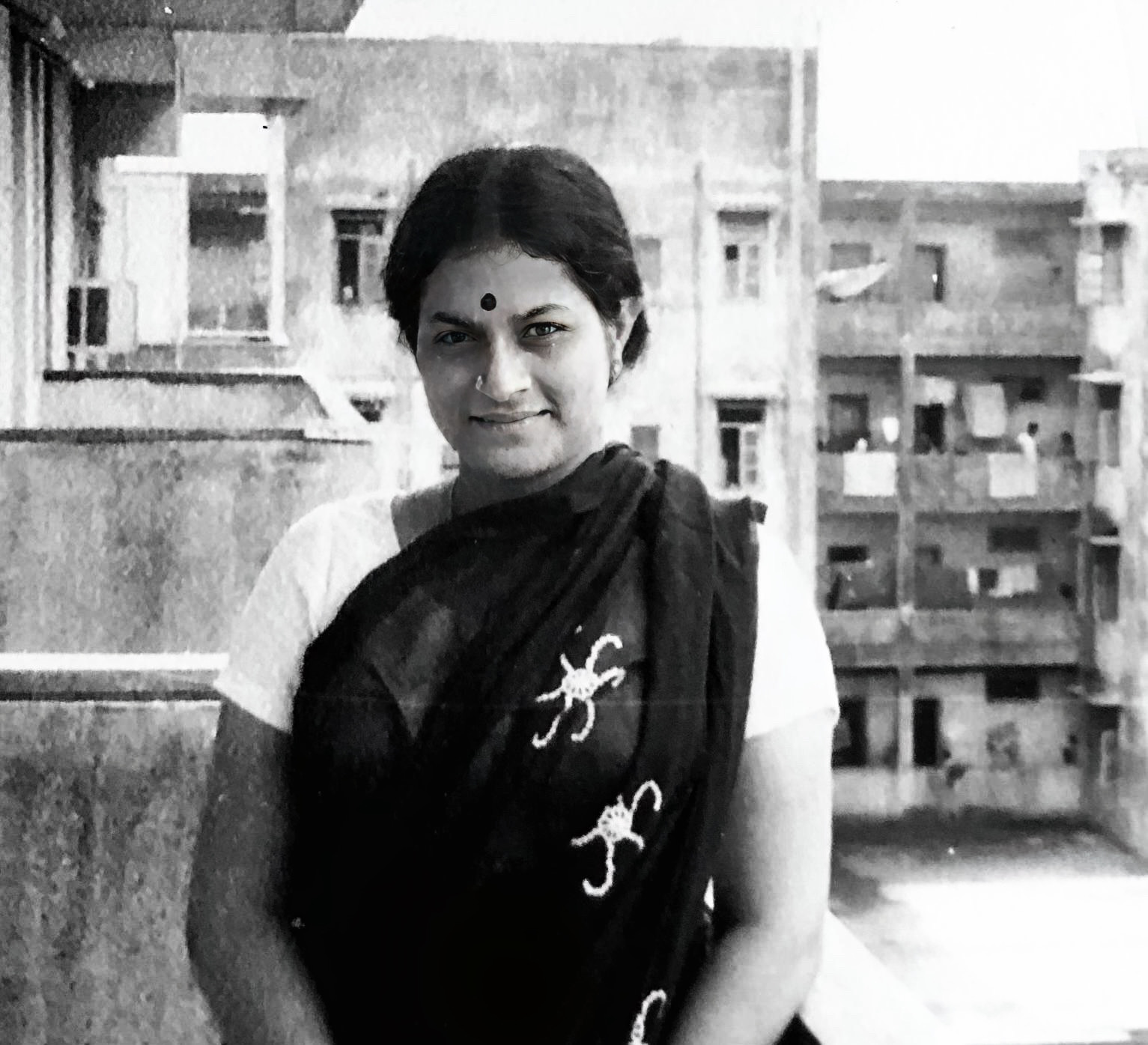
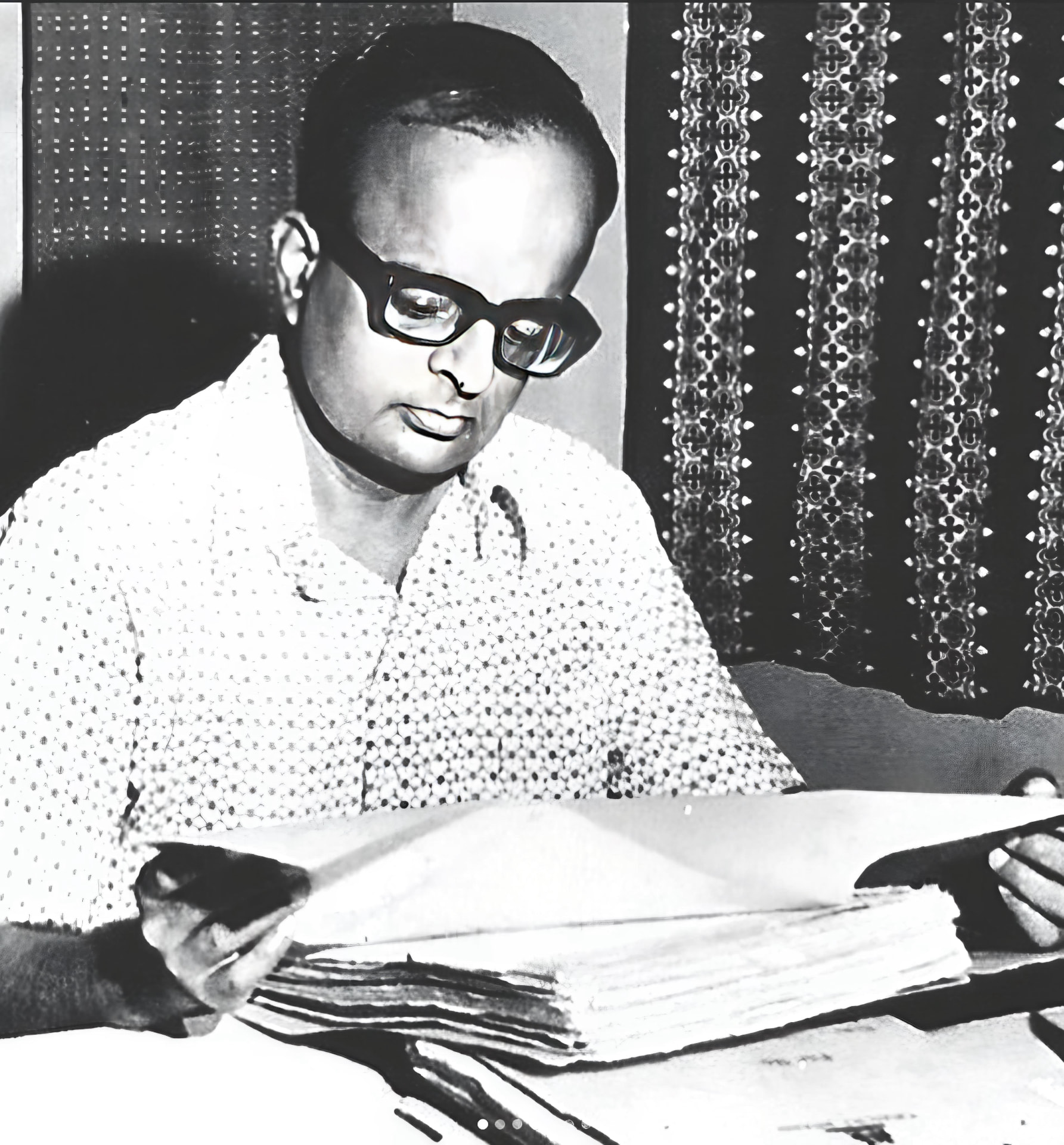
There is a photograph of Amma on a terrace, looking young and lovely. And another of Appa, sitting with his files, looking very much like a man who had important things to attend to.
These are the versions of them I never really knew.
As children, we tend to assume our parents arrived fully formed, complete with opinions about homework, vegetables, and the correct way to behave.
It takes a surprisingly long time to realise that they had entire lives before we came along.
The Chemist and the Cook
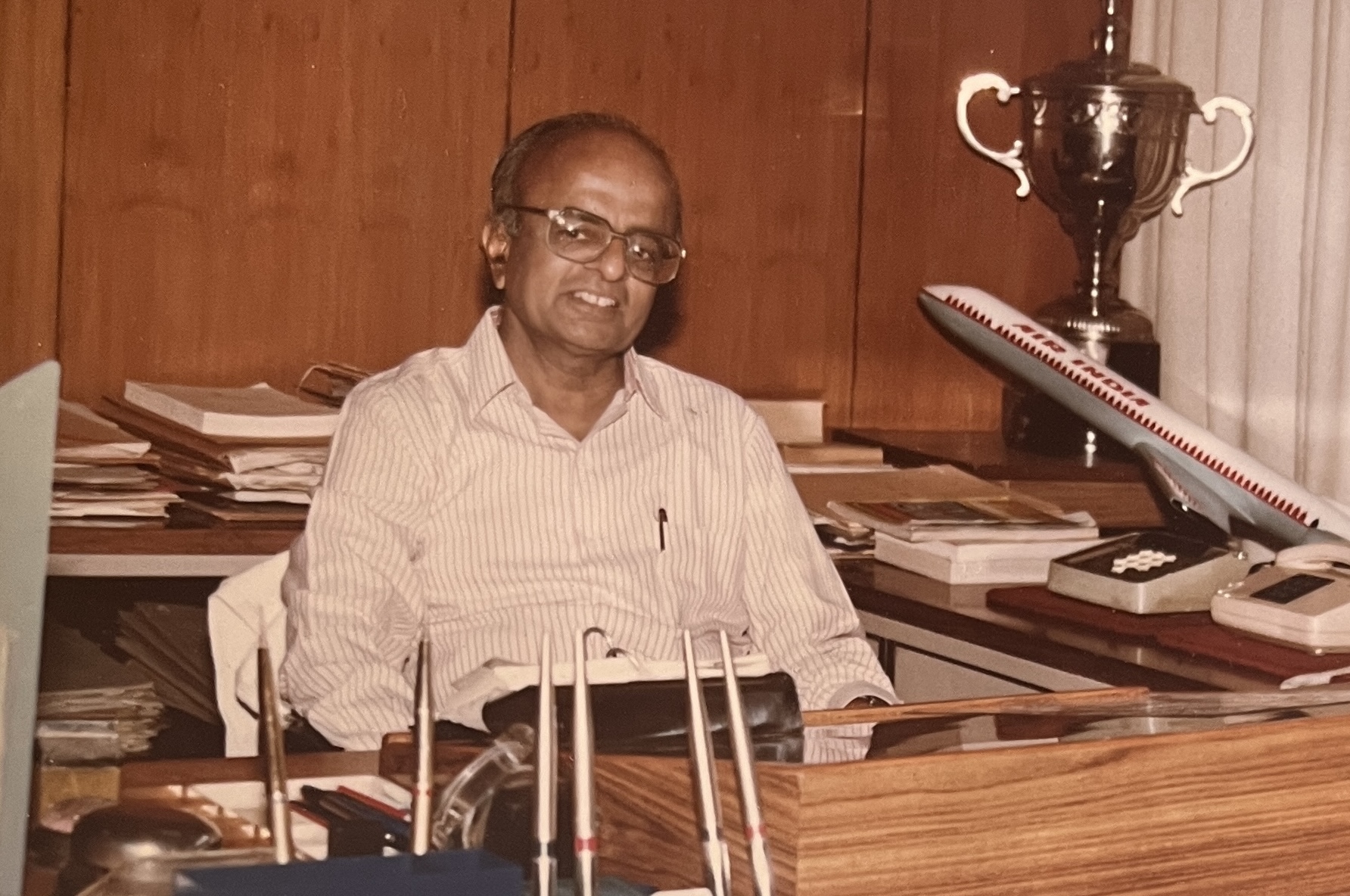
Appa was a trained chemist.
And although his career eventually took him into the bureaucracy, the chemist never entirely left him.
Especially in the kitchen.
Appa had firm opinions about how things should be done. The flame should be low when necessary. Ingredients should go in at the correct time and in the correct order. Mustard seeds belonged in properly heated oil. Curry leaves had their moment, and that moment was not negotiable.
Amma cooked largely by instinct. She could tell when something was ready from the sound it made, the smell coming from the kadai, or the way it looked.
Appa preferred a more systematic approach.
Between them, our kitchen operated on a combination of art and science.
Appa also ran the refrigerator on a strict first-in, first-out system. He set the curd every day and had a preference for natural food colours. He peeled potatoes, did the grocery shopping, and contributed his opinions when a recipe required some understanding of chemistry.
But he was also a wonderfully undemanding audience for Amma's cooking. She could experiment with something entirely unfamiliar, and Appa was generally happy to eat it.
He travelled for work, and occasionally brought back discoveries of his own. Shrikhand, for instance, became an accompaniment to puri.
I like thinking about their partnership this way. Amma was the more adventurous cook, the person constantly collecting recipes and trying something new. Appa brought his method, his small routines, and his willingness to eat whatever she made.
And when Sunday came around, he was there peeling the potatoes.
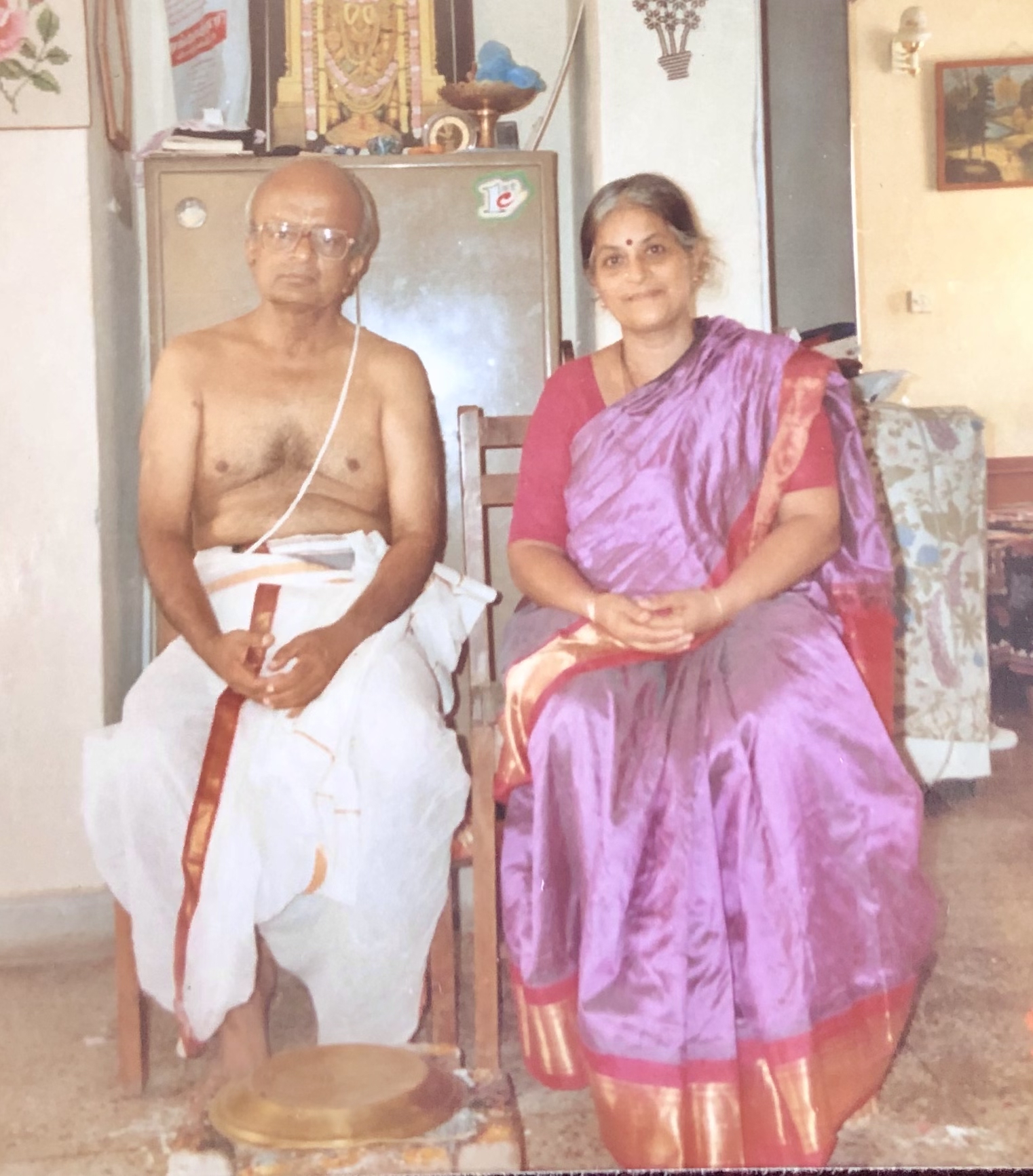
The Family Album
We weren't a family that took a great many photographs.
For a long time, we didn't have a camera. And even when we eventually did, film rolls and developing photographs cost money. There was a general feeling that taking too many photographs was rather wasteful.
So our family albums were assembled from whatever we had. Friends and relatives sent us prints. We collected them, stuck them into albums, and wrote little notes alongside them.
Some of the photographs were ordinary family occasions. Others came from Appa's working life.
There are quite a few photographs from what I think of as his babu days.
Appa and his second-in-command pretending to play chess to inaugurate a departmental tournament. Apparently, it was protocol.
Appa with Dilip Kumar and Saira Banu, who had come to inaugurate the department's table-tennis tournament, looking rather grumpy. I get that from him.
There are photographs of Ambassador cars, Hindi Day functions, official gatherings, and other events that were presumably important enough to require a photographer.
And there is a photograph from Cherrapunji. Appa was the first person I knew who had been there, which seemed enormously exotic to me at the time.
Looking through these pictures now, I realise how much of our photographic history was shaped by the occasions on which someone happened to have a camera.
We have photographs of official functions and posed gatherings.
But far fewer of the ordinary things I would love to see again.
Appa setting the curd. Amma cooking breakfast. The two of them going about their day.
Those moments weren't considered photograph-worthy.
They were simply life.
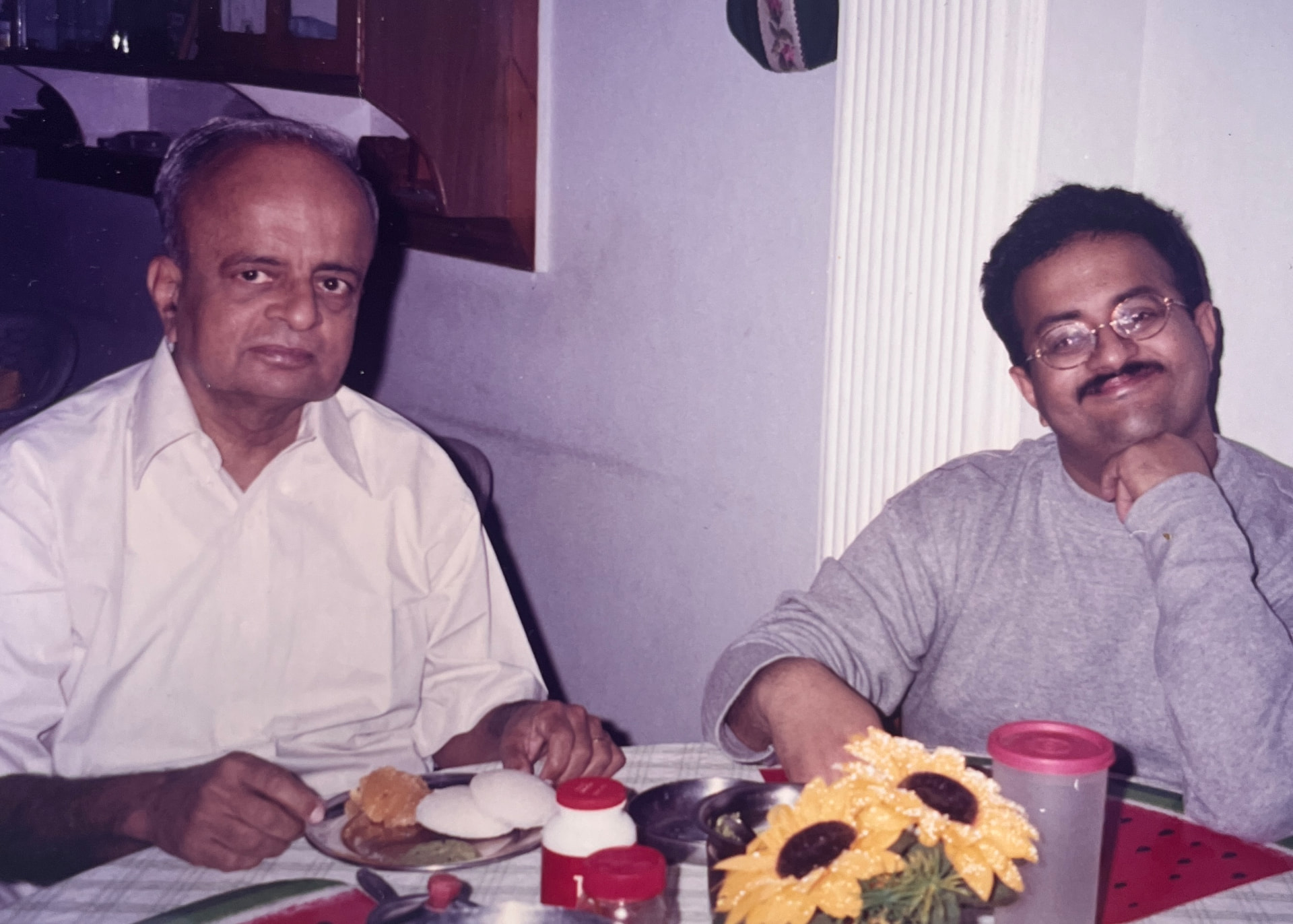
Birthdays, Graduations, and Other Milestones
And then there are the photographs that mark the passage of time.
Appa's sixtieth birthday, on 13 July 1996.
My graduation.
And years later, a photograph of Appa feeding my older niece at her annaprashana.
I like placing these photographs together. The young man with his files becomes the father at his daughter's graduation, and eventually the grandfather feeding a new generation.
These are the sorts of connections that become visible only when you look at the photographs many years later.
At the time, each was simply an occasion.
Together, they become a family history.
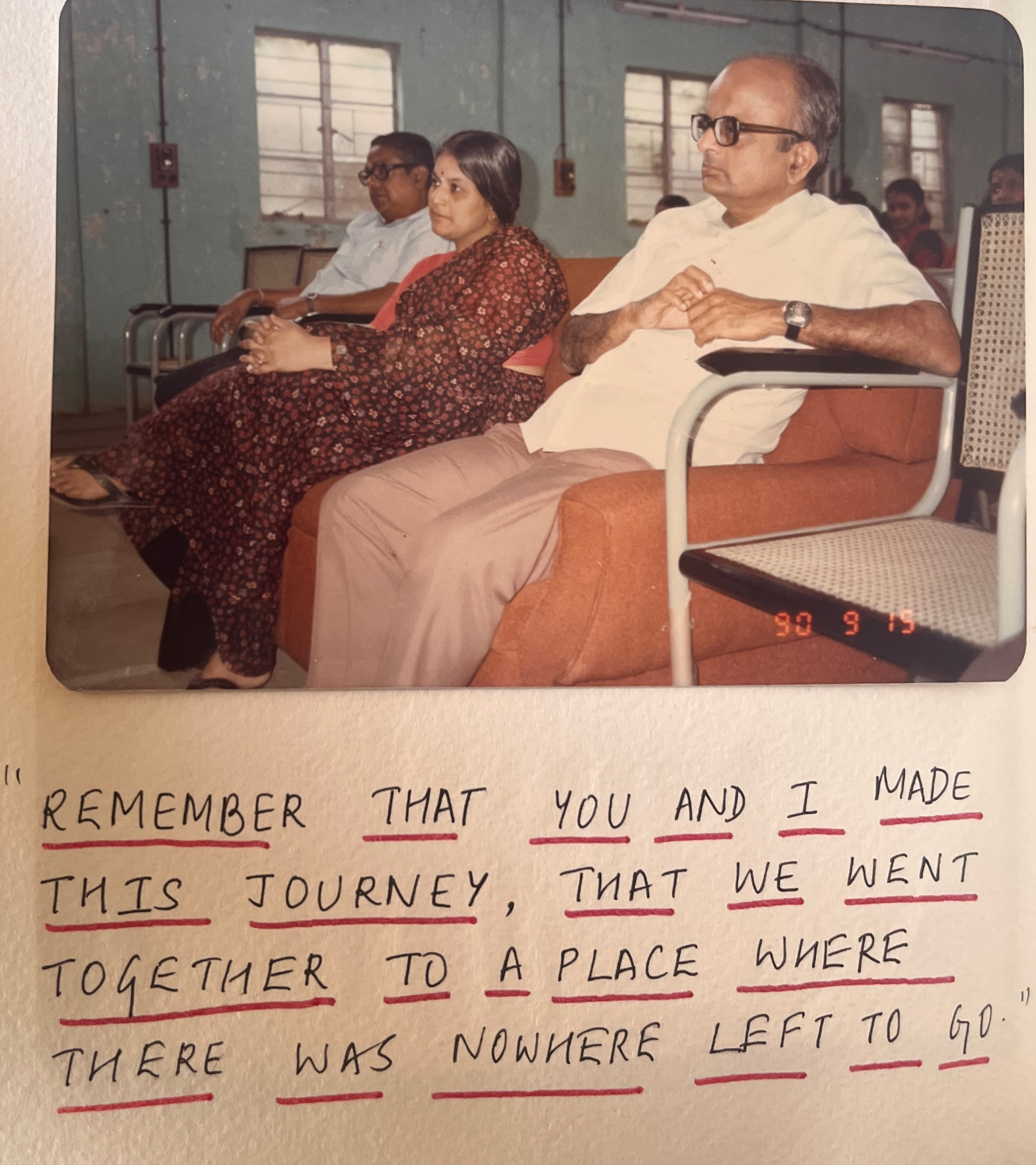
What the Photographs Remember
There is a line from The Namesake that has stayed with me:
"Remember that you and I made this journey, that we went together to a place where there was nowhere left to go." (Jhumpa Lahiri, The Namesake)
I keep returning to it when I look through these albums.
We saved what we could. The notes were written on the backs of photographs, and once they were pasted into albums, I copied them out underneath. We remembered some occasions and forgot others.
And sometimes, decades later, a photograph reveals something we didn't know we had forgotten.
This book began with Amma's recipes, written down in her diaries. But it has become a way of gathering other things, too.
The wedding invitation. The photographs of young Amma and Appa. Appa's official functions. Family birthdays. The food they made and the food they loved.
None of these objects tells the whole story.
But together, they tell us something about the people who were here before us.
And that seems worth keeping.